Tanzanite is a blue-violet gemstone found in only one place on Earth: a narrow strip of land in the Merelani Hills of northern Tanzania, in the shadow of Mount Kilimanjaro. It was discovered in 1967, named after the country it comes from, and in 2002 became one of the modern birthstones for December.
This guide covers where tanzanite comes from, why it is so rare, what gives it its color, how to care for it, and what to look for when you buy it. It also tells the story of the stones in our Tanzanite Solstice Edition, which I selected myself in Tanzania.
Where does tanzanite come from?
Every natural tanzanite in the world comes from the Merelani Hills (also spelled Mirerani), near the city of Arusha in northern Tanzania. The deposit covers a strip of land only a few kilometers long, and no other commercial source has ever been found.
The stone’s modern history is short. In 1967, Maasai herders noticed blue crystals in the hills, and the find reached a prospector named Manuel d’Souza, who first believed he had found sapphires. Gemologists identified it instead as a new, blue variety of the mineral zoisite. In 1968, Tiffany & Co. introduced it to the world under the name “tanzanite,” after its only home.
Why is tanzanite so rare?
Tanzanite is rare because of geology. The conditions that formed it came together in one small area of East Africa, and that deposit is the entire world supply. When it is mined out, there is no second source waiting.
For comparison, diamonds are mined on several continents, and sapphires come from Sri Lanka, Madagascar, Australia and beyond. Tanzanite has a single address.
Because supply is so concentrated, the Tanzanian state plays a central role in how the stone is traded. Since 2018 the mining area has been enclosed by a perimeter wall, and stones can be documented and certified through the Tanzania Gemmological Centre, part of the Ministry of Minerals.
What color is tanzanite, and why does it change?
Tanzanite is known for a blue that leans into violet. It is strongly trichroic, which means a single crystal shows different colors when viewed from different directions: blue, violet, and a warmer burgundy or bronze tone. How a cutter orients the stone shapes how much blue or violet you see in the finished gem.
Light changes it too. In daylight, tanzanite tends to look bluer; under warm indoor light, the violet comes forward. It is one of the reasons we named a ring in our collection MWANGA, Swahili for “light.”
Most tanzanite is brownish when it comes out of the ground, and the majority of stones on the market are gently heated to bring out the blue-violet color. This is a permanent and widely accepted practice in the gem trade. The most valued stones show a deep, saturated blue with violet undertones, but no two natural tanzanites are exactly alike, and that individuality is part of the appeal.

What does tanzanite symbolize?
Tanzanite has no ancient folklore. At under sixty years old, it is one of the youngest gemstones in fine jewelry, and its meaning is tied to place. The name itself honors Tanzania, and for many people the stone is a way to carry a piece of East Africa, and of Kilimanjaro’s landscape, with them.
In modern crystal traditions, tanzanite is often associated with intuition, calm and transformation. These are beliefs rather than proven properties, but they are part of why many people choose it as a meaningful gift.
In our collection, each piece carries a name that speaks to the stone: MWANGA (light), ANGA (sky) and AMANI (peace) in Swahili, and ANKHARA, after the Ankh, the ancient Egyptian symbol of life.
Is tanzanite a December birthstone?
Yes. Tanzanite was added to the modern list of December birthstones in 2002, alongside turquoise and zircon, the first new gemstone added to that list since 1912. That makes tanzanite jewelry a natural gift for December birthdays and for the season around the winter solstice.
How to care for tanzanite jewelry
Tanzanite measures 6 to 6.5 on the Mohs hardness scale. That makes it softer than sapphire (9) or diamond (10), so it rewards a little care:
- Clean it gently. Use lukewarm water, a drop of mild soap and a soft brush, then dry with a soft cloth. Avoid ultrasonic and steam cleaners.
- Avoid sudden temperature changes. Rapid shifts from hot to cold can stress the stone.
- Take rings off for hands-on tasks. Remove them before the gym, gardening, cleaning or cooking.
- Put it on last. Apply perfume, lotion and hairspray first, since chemicals can dull both the stone and gold plating.
- Store it separately. Keep each piece in its own soft pouch so harder gems can’t scratch it.
Earrings and necklaces are the easiest way to wear tanzanite every day, since they take fewer knocks than rings.
What to look for when you buy tanzanite
Since all natural tanzanite comes from Tanzania, the more useful question is the path the stone took from the mine to you. A few things are worth asking:
- Is it natural? Imitations and lab-made stones exist, so look for the word “natural” and documentation to back it up.
- Is there a certificate? A gemstone certificate records the stone’s identity and characteristics, such as carat weight and cut.
- Has it been treated? Heat treatment is standard. A trustworthy seller will tell you plainly.
- Who handled it? Ask how the brand sourced the stone and who made the piece.
- What is the setting made of? The metal and finish affect durability, care and price.
How we sourced the Tanzanite Solstice Edition
Tanzanite is an African gemstone that became famous through a New York jeweler’s marketing, and most people who wear it are told very little about the place it comes from. At Oriaku, the origin of a luxury piece is the story, not a footnote.
So in March 2026, I traveled to Tanzania to choose the stones myself, from Dar es Salaam to Moshi and on to the Merelani Hills. I worked with the Tanzania Gemmological Centre, which operates under the Ministry of Minerals, visited the mines, and personally selected every stone in the collection.
Every piece in the collection comes with its own official gemstone certificate from the Tanzania Ministry of Minerals documenting the stone. The ANGA choker was also handmade in Tanzania, so its craftsmanship shares the stone’s origin.
Célia Kamdom, Founder & Creative Director
The Tanzanite Solstice Edition
Four pieces, each built around a natural tanzanite chosen in Tanzania.
MWANGA Tanzanite Ring
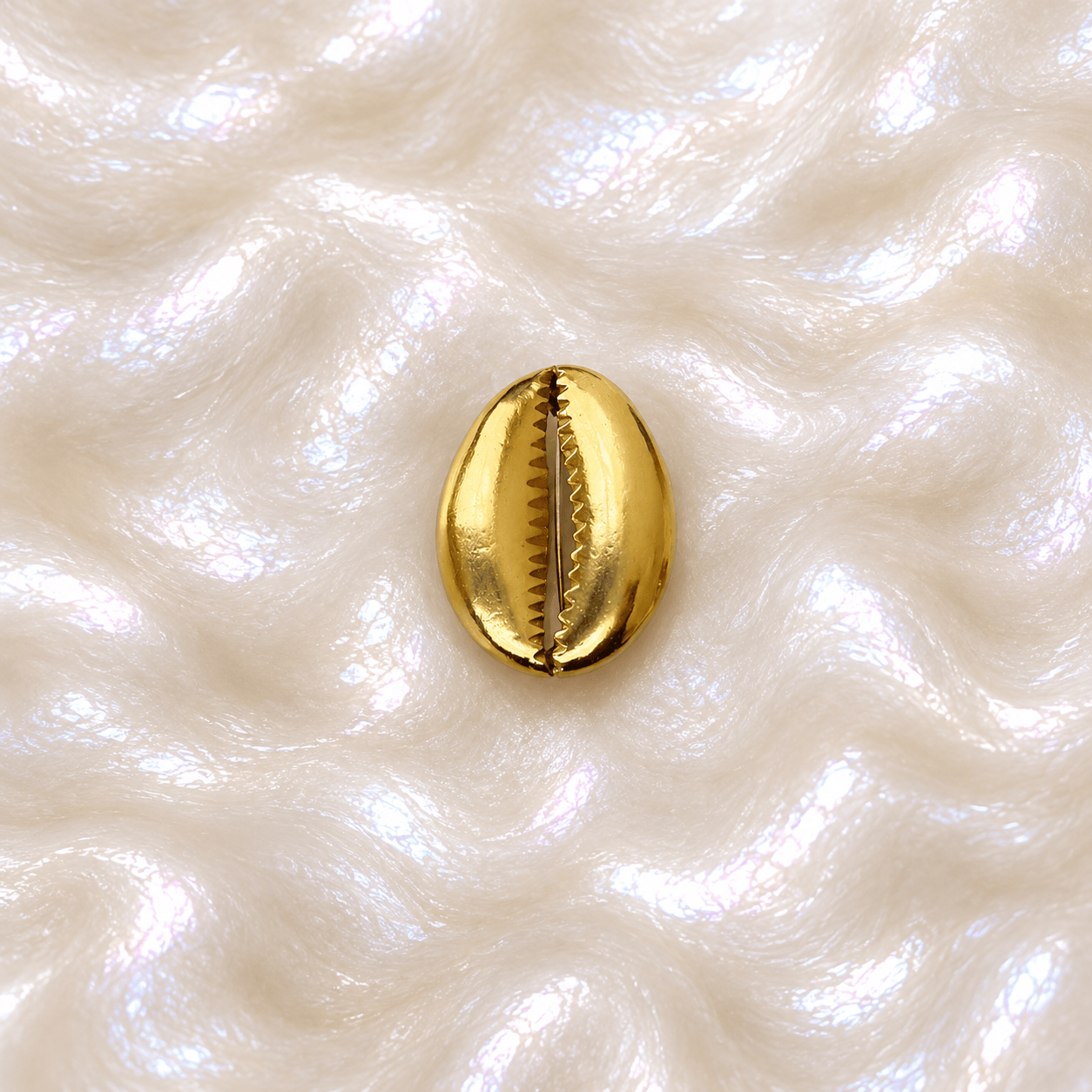
A 1.11 ct oval tanzanite held in a sculptural setting of 18K gold-plated silver, with fluid lines that open onto cowrie shell forms, an object long tied to value and exchange across parts of Africa. (Read more about the journey of the cowrie shell.) Certificate included.
ANKHARA Tanzanite Ring
A 1.23 ct oval tanzanite framed within a sculptural interpretation of the Ankh, turning an ancient symbol of life into a contemporary statement piece. Certificate included.
ANGA Tanzanite Choker Necklace
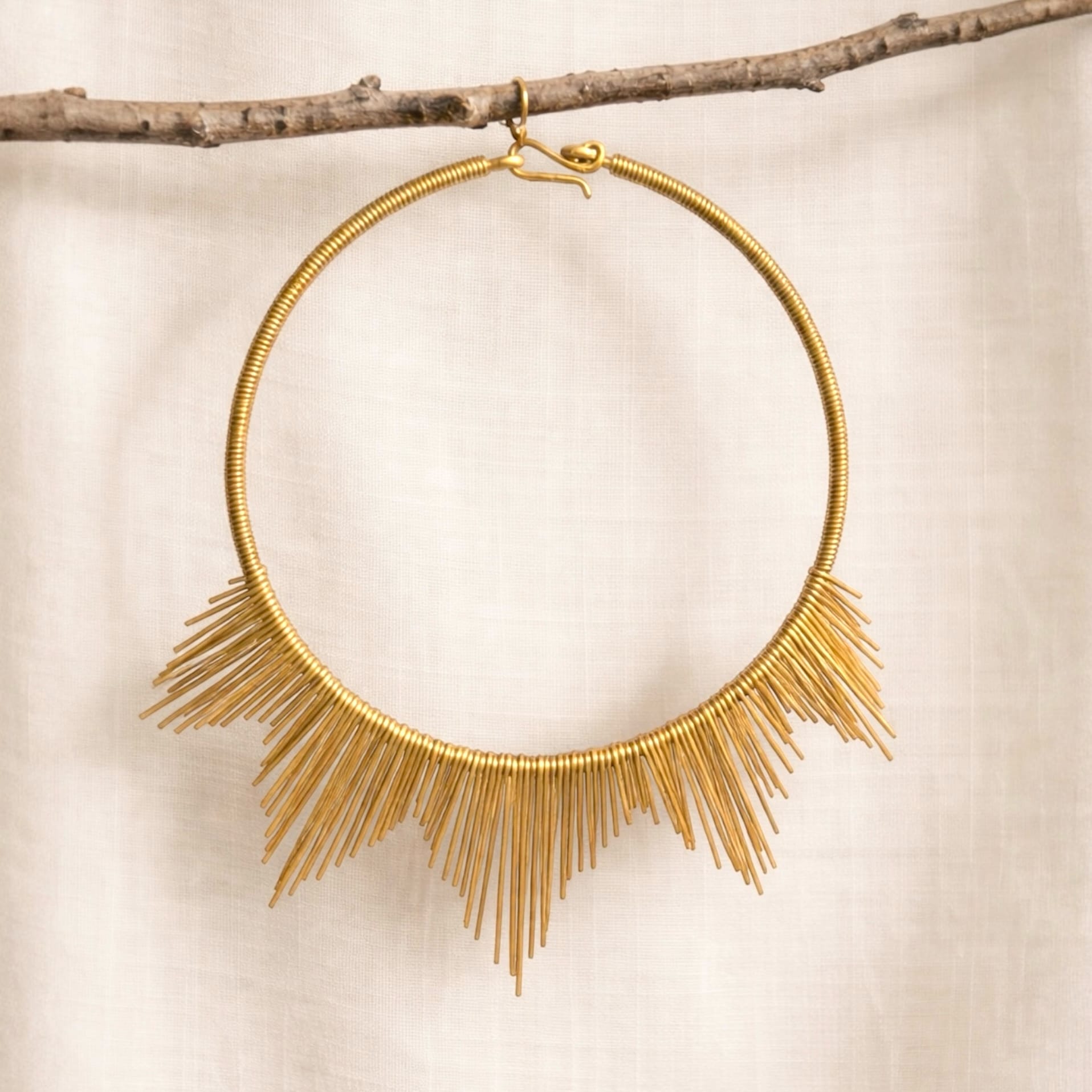
Anga means “sky” in Swahili. Handmade in Tanzania in 18K gold-plated sterling silver, the choker suspends a single tanzanite beneath three sculptural beads. One piece only. Certificate included.
AMANI Tanzanite Earrings
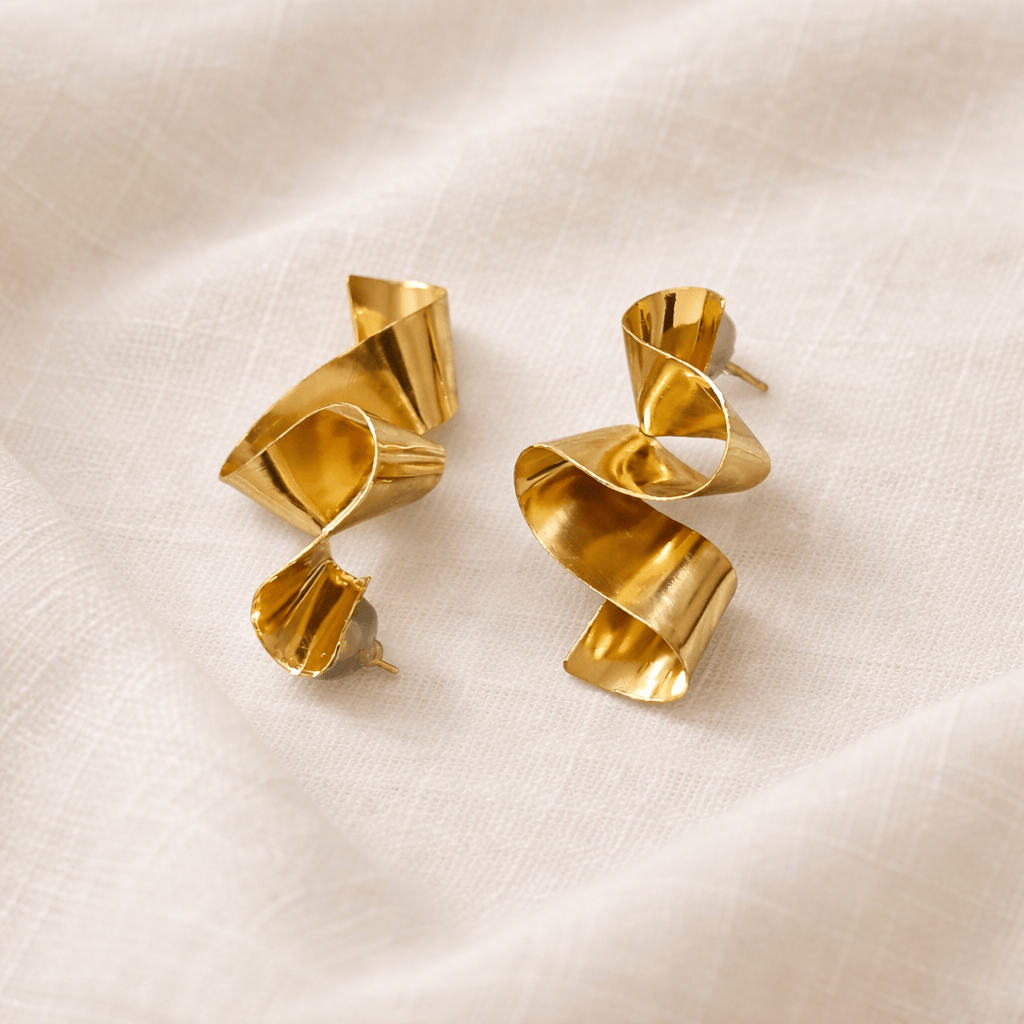
Two pear-cut tanzanites of about 1 ct each hang from open, rhythmic forms in 18K gold-plated silver. Amani means “peace” in Swahili. Certificate included.
Explore the Tanzanite Solstice Edition
Tanzanite: quick answers
Is tanzanite rarer than diamond?
By source, yes. Tanzanite comes from a single deposit in Tanzania, while diamonds are mined in many countries around the world.
What is the difference between tanzanite and sapphire?
Both can be blue, but they are different minerals. Sapphire is corundum, rated 9 on the Mohs scale and found in many countries. Tanzanite is a variety of zoisite, softer at 6 to 6.5, found only in Tanzania, and known for its shift between blue and violet.
Can you wear tanzanite every day?
Yes, with some care. Earrings and necklaces suit daily wear. With rings, take them off for hands-on work and store them separately from harder gems.