Sustainability · Our focus

Made by hand, and accounted for.

Responsibility is not a collection for us. It is how every piece is made — who makes it, what it is made from, and how much of it we make.

An artisan at his bench, shaping a piece with pliers
20%

of our profits set aside for our artisan partners in Africa.

By hand

Every piece made in workshops in Senegal and Kenya.

Small runs

Made in small batches, never produced to sit in stock.

Traceable

Materials and stones from sources we can name.

An artisan's hands closing a small ring with pliers
01 — People

Fair work, at the bench.

Every collection is made with artisan workshops in Senegal and Kenya. We work with the same makers season after season, so that trust, skill and pay can grow together.

Fair pay

Agreed directly with each workshop — never squeezed to meet a price.

Safe conditions

Workshops we have visited, with the tools and space to work well.

Living techniques

Traditional methods respected, and paid for as the skill they are.

20%

of our profits are set aside for our artisan partners in Africa — for tools, training and the workshops themselves.

02 — Materials

What each piece is made of.

We choose materials that respect both the land and the heritage they come from — and we would rather reuse than extract.

Close-up of a gold clasp and jump rings
Plating

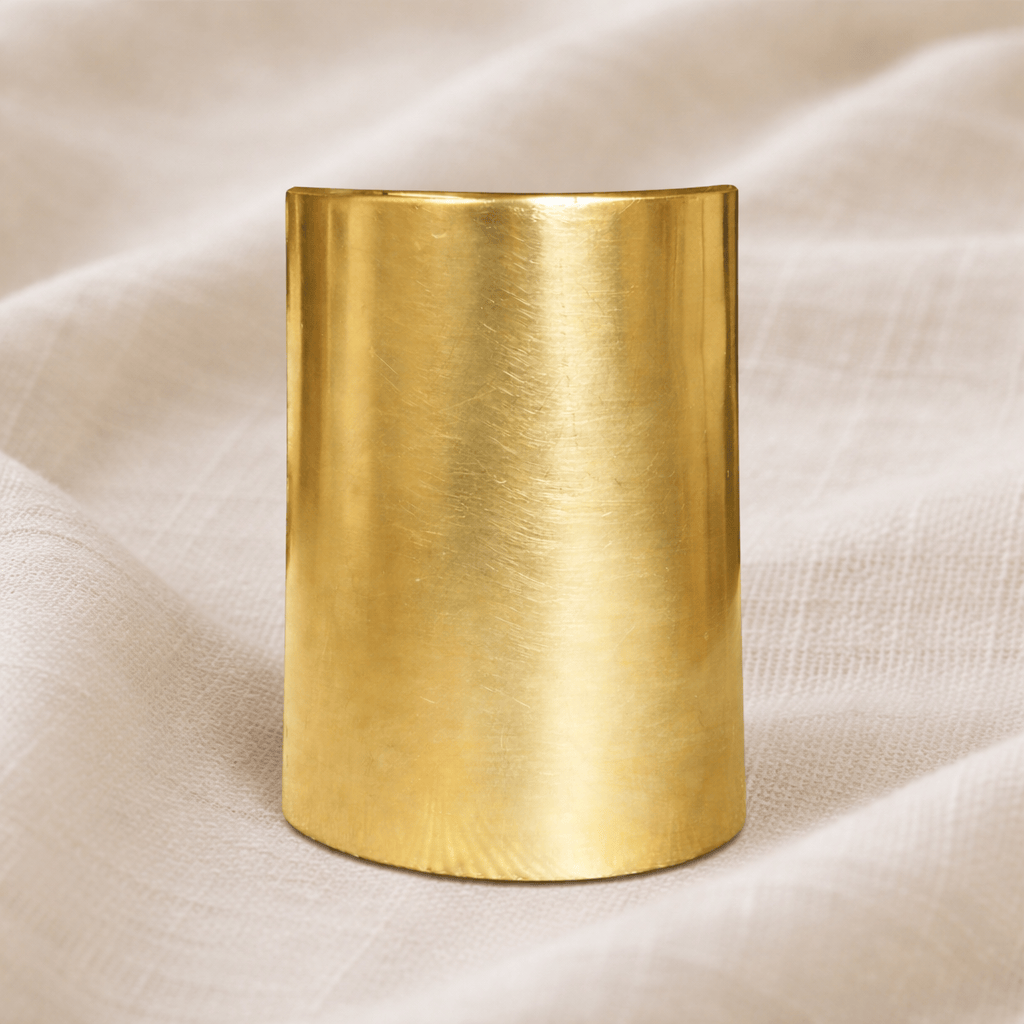
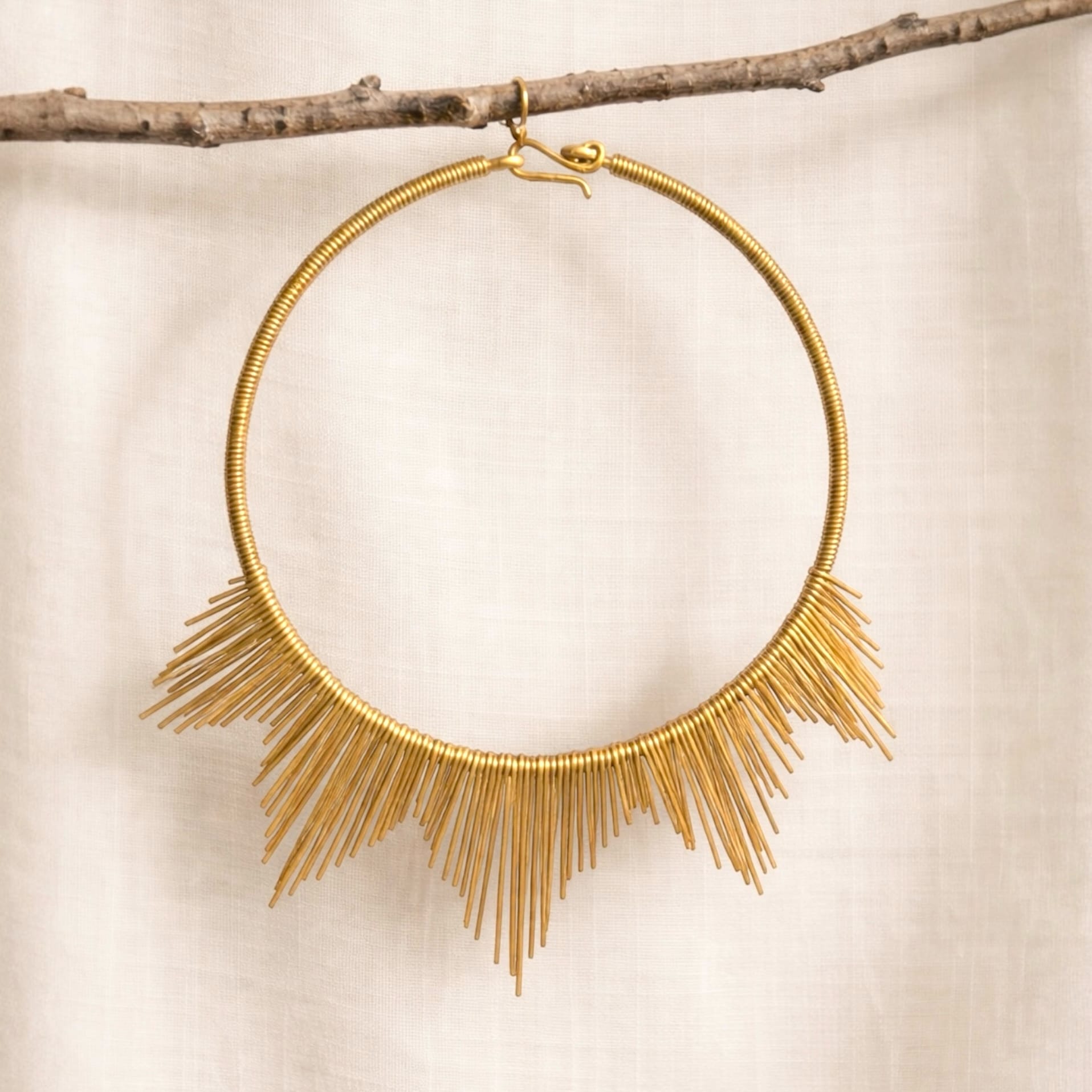
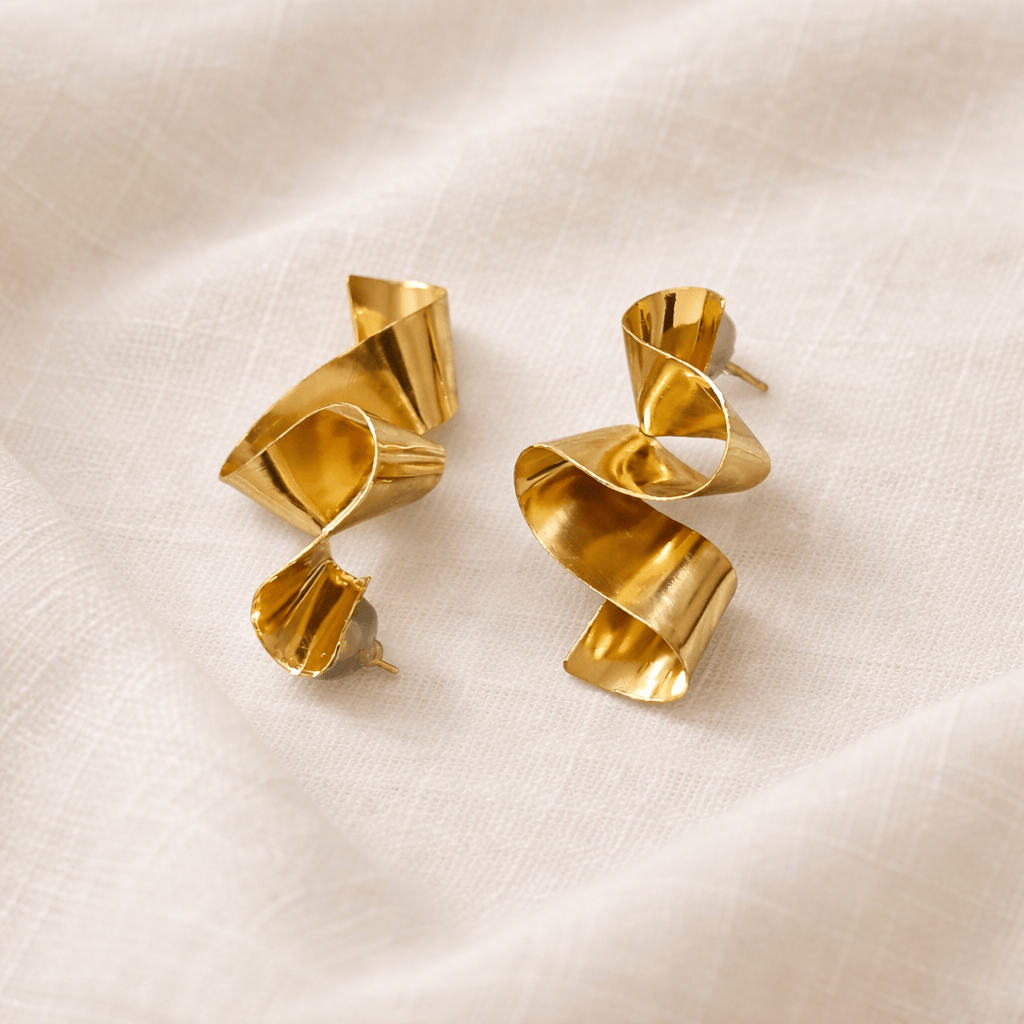
18k gold

Most pieces are plated in 18k gold over a recycled brass base — the warmth of gold, finished by hand to be worn every day.

Workshop bench
Base metal

Recycled brass

Recycled brass and reused metals form the base of most pieces — melted, cast and finished by hand.

Close-up of faceted black glass beads
Detail

Hand-made glass beads

Made in small local studios, bead by bead, in colours that vary slightly from batch to batch.

Rough natural stones
Natural

Stones

Sourced in limited quantities, always through transparent supply chains.

03 — Stones

Every stone, from a known source.

Natural stones are bought in small quantities, in person, through supply chains we can see end to end. We visit the dealers and sites we buy from, and ask the same questions each time.

  1. i
    Known originWe buy from dealers and sites we have visited, and record where each lot comes from.
  2. ii
    Safe extractionWe ask about safety equipment and working conditions at the source, every time.
  3. iii
    DocumentedWhere a stone is certified by a gemmological laboratory, the report stays on file.
A rough stone held between thumb and finger at a dealer's table
Choosing rough stone, one piece at a time.
Mineral samples on a table
A gemmological report
04 — Small batches

We make less, on purpose.

Each design is made in small runs, so nothing is produced to sit in a warehouse. It keeps quality in the maker's hands, keeps every piece traceable to its workshop, and keeps our footprint small. When a piece sells out, it may take a few weeks to return — that is the pace of hand work.

05 — Care & repair

The most sustainable piece is the one you keep.

Many of our pieces are adjustable, so they move with you over the years. Brass warms and darkens with wear — a patina, not a flaw. A little care keeps each piece close to how it left the workshop.

Keep it dry

Take pieces off before swimming, showering or exercise.

Store apart

In the pouch it came in, away from sunlight and other pieces.

Polish gently

A soft dry cloth brings brass back. No chemical cleaners.

Repair first

If a piece breaks, write to us before replacing it. We will look at repair first.

An artisan at a workshop bench
06 — Packaging & shipping

From the workshop to your door.

Tracked, and handled with care

Every order travels with DHL or FedEx, fully tracked to your door. Complimentary from kr 2,150.

Shorter journeys

We ship from Norway and France, so most European orders travel a shorter distance to reach you.

Packaging, reconsidered

We keep packaging minimal and are exploring boxes and pouches made locally, close to our workshops.

07 — Our commitments

Where we are, and where we are going.

Sustainability is ongoing work. We review this list each season and update it honestly. Last updated September 2026.

Fair pay and safe workshopsPay agreed directly with each workshop, and working conditions we have seen for ourselves.
In place
20% of profits to artisan partnersSet aside for tools, training and the workshops in Senegal and Kenya.
In place
Recycled and reused metalsRecycled brass and reused metals form the base of most pieces.
In place
Small-batch productionEvery design made in small runs, to avoid overproduction and waste.
In place
Training for artisan partnersExpanding training opportunities with the workshops we work with.
In progress
Measuring our supply-chain impactMapping the footprint of materials, making and shipping, so we can report it plainly.
In progress
Locally sourced packagingExploring packaging made close to our workshops, from local materials.
Exploring
08 — Questions

For press, stockists and the curious.

If you need detail for an article or a buying decision, write to us. We are glad to share sourcing notes and workshop information.

Where are your pieces made?
Every piece is handmade in artisan workshops in Senegal and Kenya, and designed in Oslo. We ship from Norway and France.
What metals do you use?
Most pieces are built on recycled brass and reused metals, plated in 18k gold. Where a piece uses another metal, it is listed on the product page.
How are your stones sourced?
In small quantities, bought in person through supply chains we can trace. Where a stone is certified by a gemmological laboratory, we can share the report on request.
How does the 20% work?
We set aside 20% of our profits for our artisan partners in Africa. It goes toward tools, training and the workshops themselves.
Can I get sourcing details for press or stock?
Yes. Write to us through the contact page and we will send workshop and material notes for the pieces you are interested in.
Our promise

Made slowly, to be kept and passed on.